Jun
15
Ulbrich Economic Update - Number 73 (June 2026)
Loading the
Elevenlabs Text to Speech
AudioNative Player...
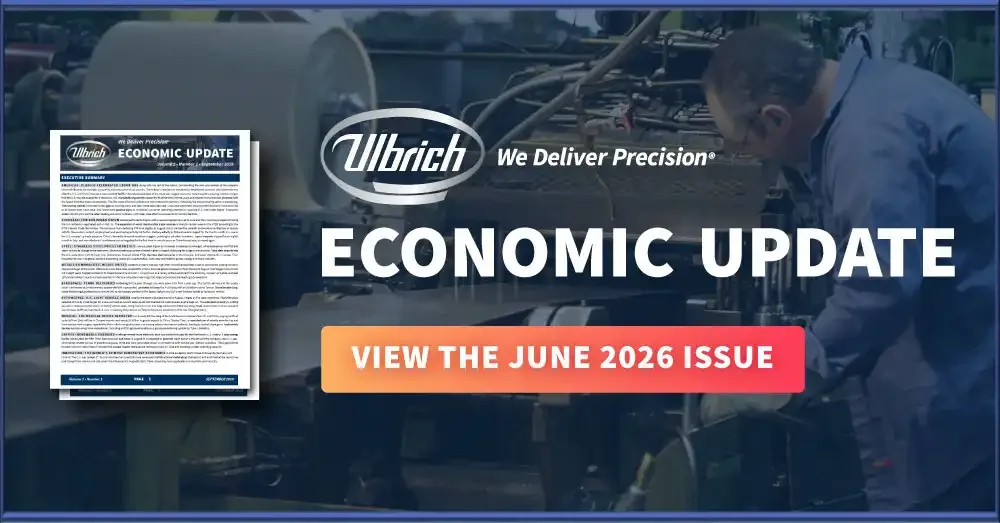
Download the 18-page June Economic Update for a closer look at the latest economic trends affecting steel, commodities, and key global markets. Continue reading for the Executive Summary.
The U.S. Economy
U.S. ECONOMIC DATA SHOWED CONTINUED GROWTH, but inflation, supply-chain pressure, and softer confidence pointed to a more fragile outlook. The ISM Manufacturing PMI rose to 54.0 in May from 52.7 in April, its highest reading since May 2022, signaling a fifth straight month of factory-sector expansion. Manufacturing output increased 0.6% in April, the strongest gain in 14 months, led by a 3.7% rise in motor vehicles and 1.0% growth in high-technology industries, while industrial production rose 0.7% and manufacturing capacity utilization increased to 75.8%. Retail sales rose 0.5% in April, with core retail sales also up 0.5%, and construction spending increased 0.4%, supported by residential construction and single-family housing. The labor market remained resilient, with nonfarm payrolls rising by 172,000 in May, March and April gains revised up by 93,000, and unemployment holding at 4.3%. Consumer confidence edged down to 93.1 from 93.8, as views of current conditions weakened. Inflation pressures intensified, with CPI up 0.6% in April and 3.8% year-over-year, while PPI rose 1.4% for the month and 6.0% annually. The Leading Economic Index inched up 0.1% to 97.4 but remained down 0.7% over six months. Durable goods orders rose 7.9%, helped by aircraft, though core capital goods orders fell 1.1%.
Steel Industry Updates
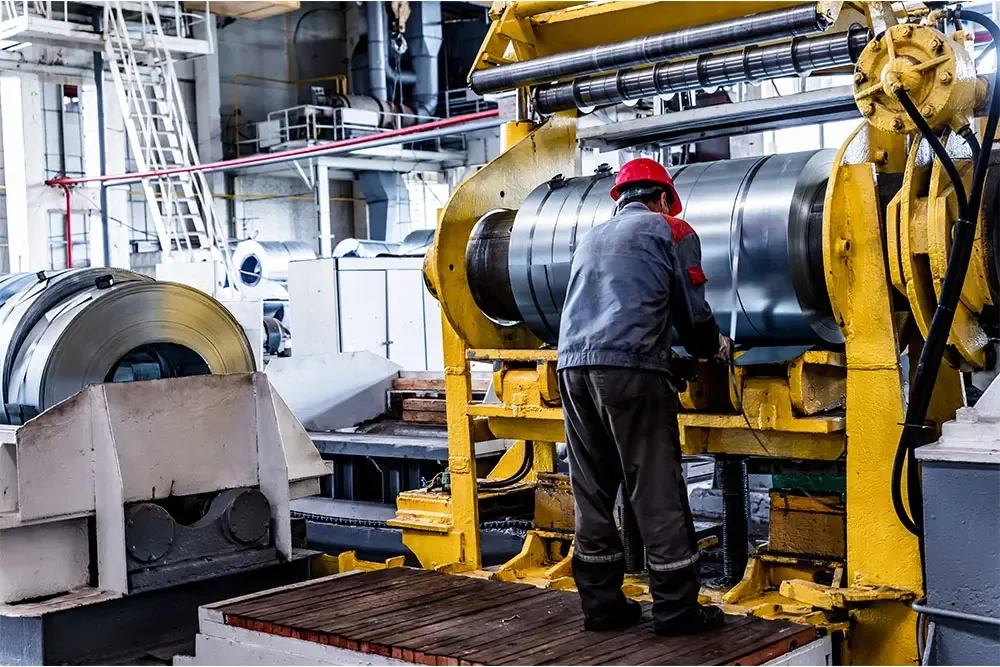
TARIFFS, TRADE ENFORCEMENT, AND NORTH AMERICAN SUPPLY STRATEGY KEPT STEEL IN FOCUS, as the U.S., Canada, and Mexico moved through new tariff rules, anti-dumping actions, USMCA discussions, and possible stacked Section 301 duties. At the same time, producers and processors advanced strategic investments and partnerships, including Algoma’s tariff response strategy, Tenaris’ CA$306M ($221.6M USD) Ontario expansion, and Hyundai-POSCO’s planned $5.8B Louisiana EAF mill.

Overseas
TECHNOLOGY SOVEREIGNTY, AI INFRASTRUCTURE, AND SUPPLY-CHAIN DIVERSIFICATION RESHAPED GLOBAL STRATEGY, as the EU advanced proposals to reduce dependence on U.S. Big Tech and single-source suppliers. Asia remained central to semiconductor and AI activity through Taiwan, China, and South Korea’s chip materials dominance, Nvidia’s South Korea partnerships, Foxconn and Intel’s AI infrastructure work, and Nvidia’s RTX Spark launch in Taiwan. AI investment also expanded through Amazon’s €10B ($11.6B USD) European automation push, Saudi-backed Humain’s SAR20B ($5.33B USD) data center financing effort, and Anthropic’s move toward a U.S. IPO.

Aerospace Developments
AIRCRAFT OUTPUT, FLEET ORDERS, SAFETY OVERSIGHT, AND SPACE INVESTMENT KEPT AEROSPACE ACTIVE, as Boeing studied a possible 737 MAX production increase while China confirmed plans to buy 200 Boeing jets and Singapore Airlines explored a major widebody order. Airbus moved to cut costs as supply-chain pressure continued, while India’s Boeing fuel-switch review and the FAA’s airport vehicle transponder plan highlighted safety oversight. SpaceX’s latest Starship test added momentum ahead of a potential IPO, though full reusability remains a key hurdle.
Energy Sector News
THE IRAN WAR, HORMUZ DISRUPTION, AND LNG REALIGNMENT DOMINATED ENERGY DEVELOPMENTS, as the IEA warned global oil supply would fall below demand and U.S. crude exports hit a record 5.6M barrels per day. Strategic Petroleum Reserve lending, OPEC+ quota moves, and depleted inventories underscored the urgency of supply management, while LNG trade shifted through renewed U.S.-China cargoes, Russia’s costly pivot to Asia, Australia’s domestic reservation debate, and atarEnergy’s Eastern Mediterranean gas study with ExxonMobil and Egypt.

Automotive Trends
CONTENT RULES, EV COMPETITION, RECALLS, AND SUPPLIER RISK SHAPED THE AUTO STORY, as U.S.-Mexico trade talks opened with tougher proposed USMCA requirements for autos, steel, and electronics. GM, Stellantis, Tata, and Chinese automakers pushed ahead with production and EV strategies, while Uber’s Nuro investment and Tesla’s robotaxi rollout pointed to continued momentum in autonomous mobility.

Medical Insights
DRUG APPROVALS, OBESITY PIPELINES, BIOTECH DEALMAKING, AND PUBLIC HEALTH RESPONSE DROVE MEDICAL NEWSFLOW, as Gilead, AstraZeneca, and Guardant advanced new U.S. treatment or screening options. Lilly, Pfizer, Innovent, Travere, Roche, and Isomorphic kept dealmaking and drug development active across vaccines, oncology, kidney disease, obesity, and AI-driven discovery. Public health also remained in focus through Ebola travel measures, WHO’s $518M outbreak response plan, EU hantavirus treatment efforts, and HHS’ AI-led fraud oversight initiative.
Commodities
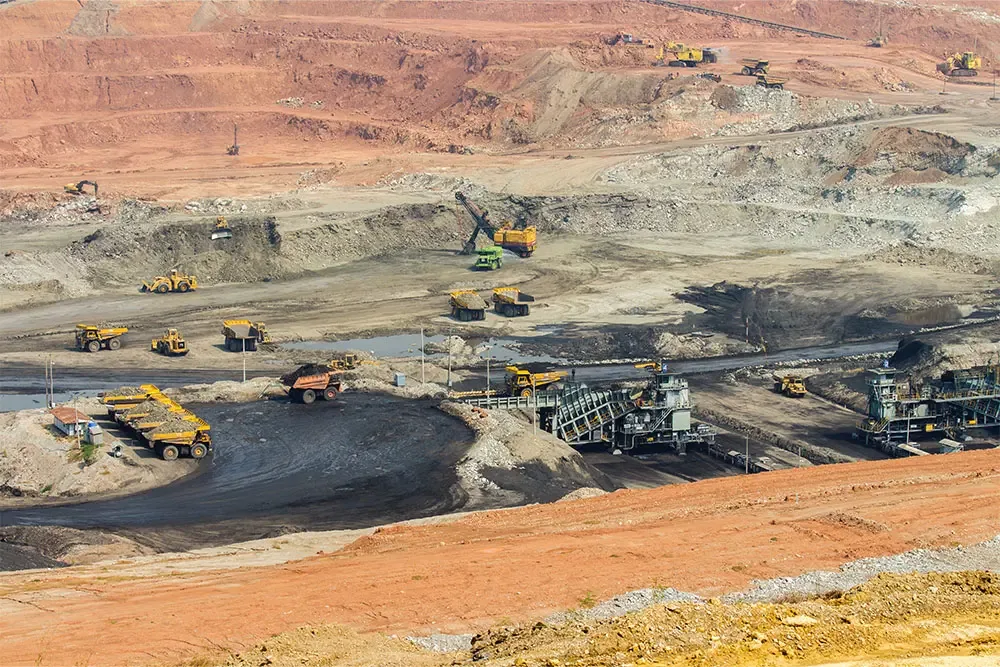
METALS TIGHTNESS, CRITICAL MINERALS POLICY, AND FOOD-SUPPLY RISK MOVED COMMODITY MARKETS, as aluminum hit a four-year high on Middle East supply risks and copper markets braced for a possible U.S. tariff decision. Governments continued investing in critical minerals and supply-chain security, while analysts warned poorly coordinated support could create oversupply. Food and agricultural pressure also built through India’s sugar export ban, Ivory Coast’s cocoa caution tied to El Niño risk, and higher fertilizer costs linked to the Iran war.
Subscribe to Our Newsletter
Stay up to date on markets and industries driven by stainless steel and other key manufacturing materials. Subscribe to receive the Ulbrich Economic Update delivered monthly to your inbox.