Dec
15
Ulbrich Economic Update - Number 67 (December 2025)
Loading the
Elevenlabs Text to Speech
AudioNative Player...
Download the 15 page Economic Update for the full details of recent economic trends impacting all industries across the globe, as well as the winter PMA Triannual Report which provides a snapshot of the latest association activities and member benefits. Continue for the Executive Summary.

The Americas
U.S. MANUFACTURING REMAINED UNDER PRESSURE THROUGH THE EARLY FALL, with the ISM Manufacturing PMI slipping to 48.2 in November from 48.7, marking a ninth straight month of contraction as tariffs continued to weigh on new orders, employment, and input costs. Producer prices rose 0.3% in September, driven by a sharp 3.5% increase in energy, while core PPI edged up 0.1%. Consumer spending increased 0.3% in September after a strong stretch of gains, though households grew more cautious as inflation and labor-market softness persisted; core PCE rose 0.2% and 2.8% year-over-year. Retail sales increased 0.2% in September, reflecting both elevated prices and moderating demand, while consumer confidence fell to 88.7 in November amid concerns about inflation, jobs, and financial strain.
The labor market showed mixed signals as nonfarm payrolls rose by 119,000 in September but the unemployment rate ticked up to 4.4%. Business investment strengthened, with core capital goods orders and shipments each climbing 0.9% in September, and factory orders advancing 0.2%. Industrial production was flat in September, while construction spending rose 0.2% in August, driven by renovations rather than new single-family building. Existing home sales increased 1.2% in October as buyers responded to lower mortgage rates, though affordability and labor-market uncertainty remained constraints. The U.S. trade deficit narrowed sharply in August to $59.6B, with imports falling 5.1% as firms adjusted to tariff-driven costs.

Steel Industry Updates
POLICY PRESSURE AND STRATEGIC REALIGNMENT RESHAPED THE LANDSCAPE, as Canada imposed new global tariffs on derivative steel imports and prepared a federal Buy Canadian requirement for major contracts. U.S. decisions also carried weight: Pennsylvania barred Mexican conduit on state-funded projects, and the administration signaled renewed scrutiny of Section 232 policy. Varsteel expanded through another service-center acquisition and Nippon Steel advancing site selection for a new $4B U.S. EAF complex. Algoma accelerated its blast-furnace shutdown under tariff pressure, while U.S. Steel continued to navigate golden-share oversight tied to the Nippon transaction.
Metals & Commodities
TARIFFS AND MARKET REPOSITIONING CONTINUED, with India weighing renewed steel-import duties to counter low-priced Chinese material. China’s trade surplus topped $1T as manufacturers redirected exports toward Europe and Australia to bypass U.S. tariffs. Lithium markets continued to diversify, with Australia’s Anson Resources advancing nuclear-grade supply opportunities while EV-supply-chain partnerships evolved more slowly.
Overseas
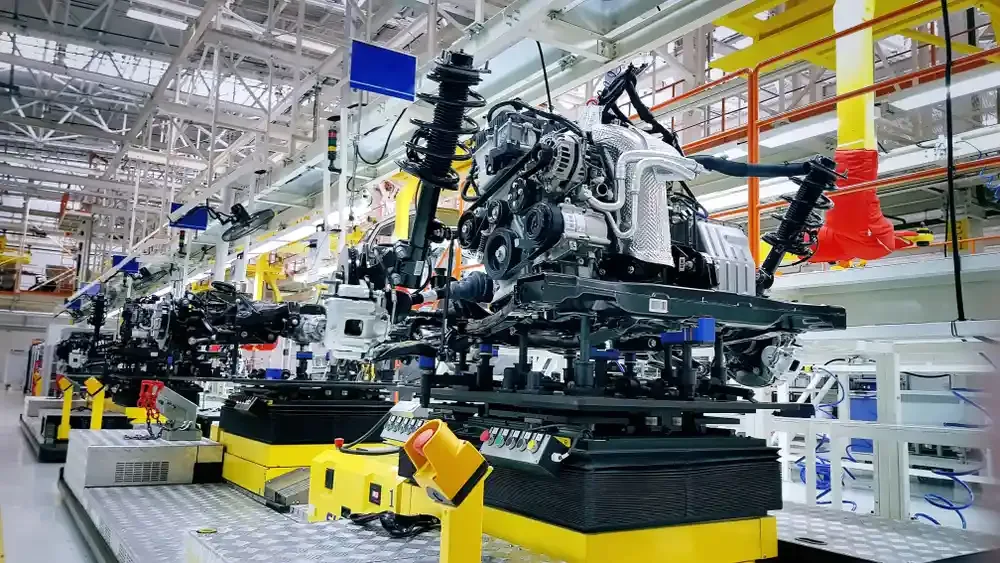
GEOPOLITICS, INDUSTRIAL STRATEGY, AND TECHNOLOGY INVESTMENT CONVERGED, as Europe debated adjustments to its 2035 engine phase-out and expanded ESA funding by nearly 30%. Iran’s enriched-uranium levels reached record highs before becoming untrackable after U.S. strikes, intensifying diplomatic tensions. China extended its lead in industrial automation with a record 54% share of global robot installations, while Germany emerged as Europe’s top AI-leadership hub.
Automotive Trends
HYBRIDS AND TRADE DYNAMICS SHAPED MOMENTUM, as Toyota committed nearly $1B to expand U.S. hybrid production amid strong demand. Ford and Hyundai reported EV softness following the loss of the federal tax credit, with buyers shifting toward hybrids. Tesla faced new legal pressure over alleged Autopilot-related patent infringement. Meanwhile, Volkswagen and Rivian advanced joint-software testing in Europe, hinting at future crossover into combustion platforms.
Energy Sector News
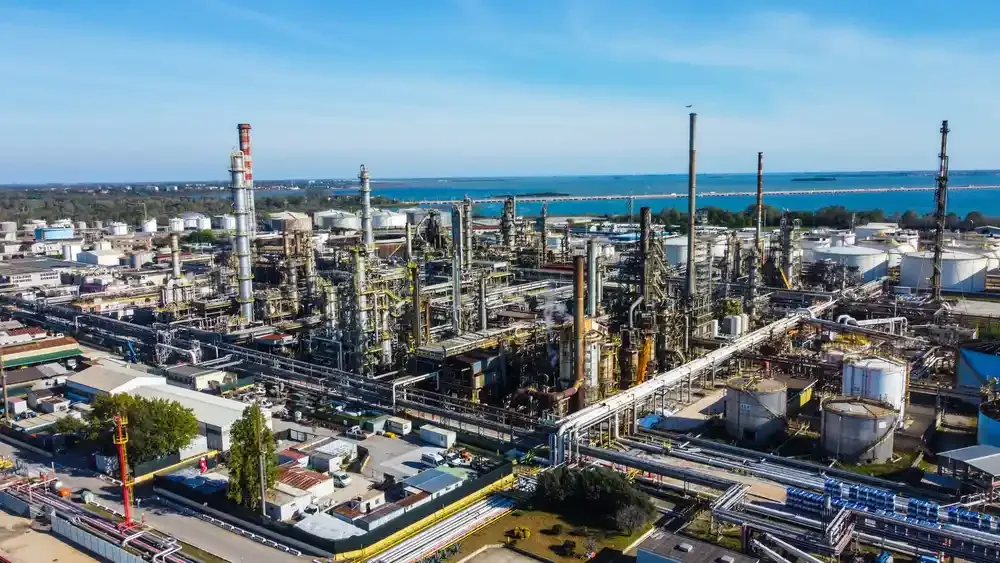
DEMAND UNCERTAINTY AND PROJECT PAUSES DEFINED THE MONTH, as Exxon froze development of its large Baytown hydrogen plant due to weak long-term offtake and rising costs. The IEA projected continued global oil and gas demand growth through 2050, paired with a sharp increase in LNG capacity by 2030. Policymakers across the U.S. and Europe weighed the implications of grid constraints, rising data-center load, and geopolitical supply risks as energy markets tightened.
Aerospace Developments
ORDERS, RECALLS, AND SUPPLY-CHAIN REALIGNMENT SHARED THE SPOTLIGHT, as Boeing regained footing at the Dubai Airshow through a 75-jet provisional deal with flydubai and neared completion of its Spirit AeroSystems acquisition. Airbus faced a major operational challenge, issuing one of its largest recalls for 6,000 A320-family aircraft due to a software vulnerability linked to solar-flare data corruption. Emirates expanded its A350-900 fleet, and freighter demand remained firm with new A350F and A320neo commitments across the region.

Medical Insights
PIPELINE FUNDING AND REGULATORY PROGRESS ACCELERATED, with Merck securing $700M from Blackstone to advance its late-stage oncology asset sac-TMT. The FDA cleared Axogen’s Avance Nerve Graft with up to 12 years of market exclusivity, positioning the product for wider reimbursement and early-2026 commercialization. Medicaid drug-pricing reform also advanced, as CMS unveiled a new international-reference model allowing states to buy at aligned global prices beginning in 2026.
Subscribe to Our Newsletter
Stay up to date on the latest state of the markets and ecosystems fueled by stainless steel and other key manufacturing materials by subscribing to get the Ulbrich Economic Update delivered to your inbox monthly.